
Styles of Mosaic: The Complete Guide to Finding Your Artistic Voice
Introduction
Every mosaic tells a story.
But how it tells that story—that’s where style lives.
Two artists can use the same tiles, the same colours… and create entirely different worlds. One structured and geometric, the other flowing and organic. One whispering tradition, the other breaking it open.
Understanding styles of mosaic is not about rules.
It’s about recognising the language your art wants to speak.
In this guide, you’ll discover:
- The major mosaic styles and how they differ
- How style affects technique, materials, and mood
- Which styles suit beginners vs advanced artists
- How to develop your own unique mosaic style
✨ If you're just starting, exploring a beginner-friendly mosaic kit can help you experience different styles in a guided, low-pressure way.
What are Styles of Mosaic?
Styles of mosaic refer to the distinct artistic approaches, visual languages, and techniques used to create mosaic art.
These styles are shaped by:
- History and culture
- Materials used
- Placement techniques (like andamento)
- Artistic intention
In simple terms:
A mosaic style is how your mosaic feels, flows, and communicates—not just what it’s made of.
Why Mosaic Styles Matter
🎨 1. Artistic Identity
Your style becomes your signature.
🧩 2. Design Direction
Helps you make decisions about:
- Colour
- Shape
- Layout
🧱 3. Technical Approach
Different styles require different:
- Cutting methods
- Placement techniques
💡 4. Viewer Experience
Style influences how your work is perceived—calm, bold, intricate, playful.
💡 Many artists discover their preferred style by experimenting through structured kits before branching into their own designs.
Deep Dive: Exploring the Styles of Mosaic
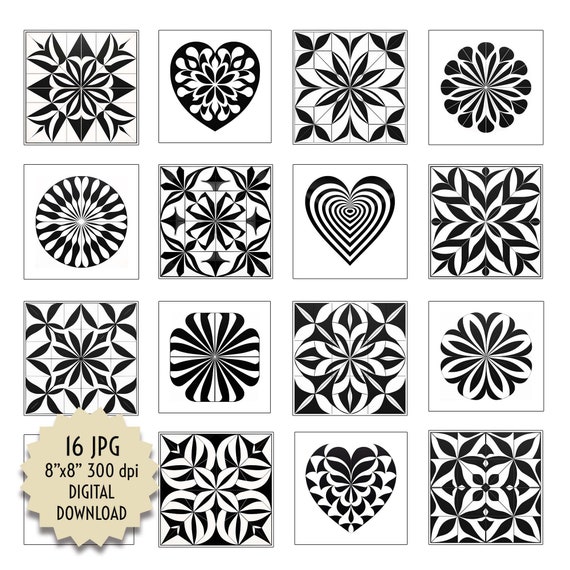

1. Geometric Mosaic Style
Structured, repeating patterns
✔ Inspired by ancient Roman and Islamic mosaics
Best for:
- Beginners
- Decorative surfaces
Pros:
- Predictable and organised
- Easier to plan
Cons:
- Can feel rigid
2. Organic / Flowing Style (Andamento-Driven)
Curved lines and natural movement
Best for:
- Nature-inspired designs
- Emotional expression
Pros:
- Dynamic and expressive
- Visually engaging
Cons:
- Harder to master
3. Pique Assiette Style
Broken ceramics and found objects
Best for:
- Storytelling
- Textural pieces
Pros:
- Highly personal
- Sustainable
Cons:
- Less uniform
4. Realistic / Pictorial Style
Image-based mosaics (portraits, landscapes)
Best for:
- Advanced artists
Pros:
- Highly detailed
- Visually impressive
Cons:
- Time-intensive
- Requires precision
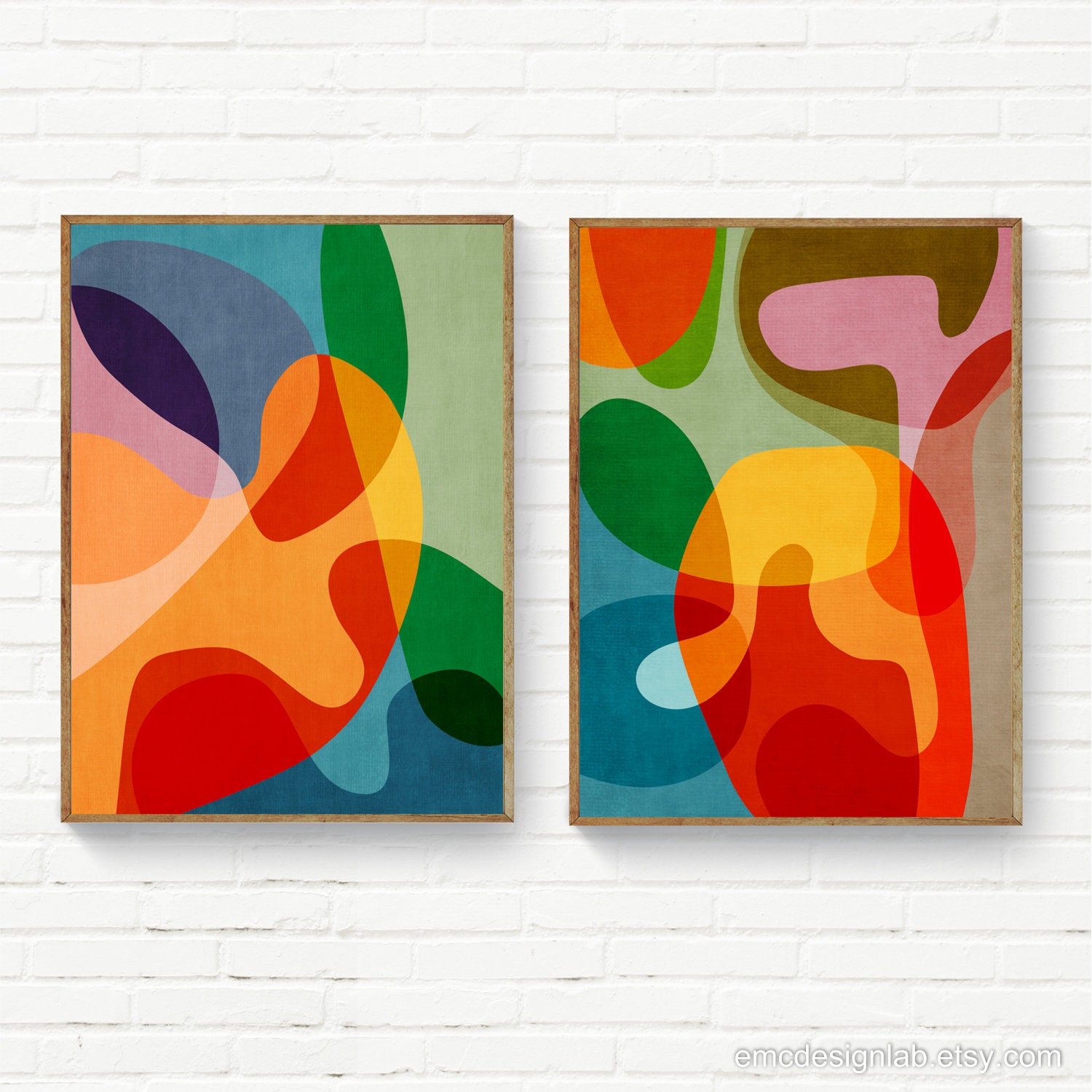
5. Abstract Mosaic Style
Colour, shape, and emotion over realism
Best for:
- Creative freedom
Pros:
- No strict rules
- Expressive
Cons:
- Can feel directionless without planning
6. Contemporary / Mixed Media Style
Combines materials and techniques
Best for:
- Experimental artists
Pros:
- Unique outcomes
- Innovative
Cons:
- Requires experience
7. Minimalist Mosaic Style
Simple, restrained compositions
Best for:
- Modern aesthetics
Pros:
- Clean and elegant
Cons:
- Less forgiving—every piece matters
Techniques That Shape Style
🧩 Andamento (Flow)
Controls movement and rhythm.
🎨 Colour Theory
Defines mood and contrast.
✂️ Tesserae Shape & Size
Sharp vs soft edges change the feel.
🧱 Spacing & Grout
Impacts overall cohesion.
Tools You’ll Use Across Styles
- Tile or glass nippers
- Adhesives
- Grout tools
- Safety equipment
Common Mistakes When Exploring Styles
❌ Trying too many styles at once
❌ Ignoring andamento
❌ Choosing style before understanding materials
❌ Overcomplicating early designs
Expert Tips for Finding Your Style
✨ Study multiple styles—but commit to one per project
✨ Let materials guide your style
✨ Repeat elements to build cohesion
✨ Your style evolves—don’t rush it
💡 At this stage, many artists build confidence by revisiting styles through guided kits, refining their preferences with each project.
Step-by-Step: Discovering Your Mosaic Style
-
Explore Different Styles
Study and experiment -
Choose One Style Per Project
Avoid mixing too early -
Limit Your Materials
Focus on learning the style -
Create Small अभ्यास Pieces
Practice without pressure - Reflect on What You Enjoyed
- Refine & Repeat
Advanced Insights: Beyond Style Labels
🎭 Style Blending
Experienced artists combine styles intentionally.
🧠 Intentional Rule-Breaking
Break rules only after understanding them.
🌍 Context Matters
A garden mosaic may require a different style than wall art.
💡 Style as Storytelling
Let your subject influence your style—not the other way around.
Common Questions (FAQ)
What is the most beginner-friendly mosaic style?
Geometric styles are usually easiest to start with.
Can I mix mosaic styles?
Yes—but it’s best to learn them individually first.
What is andamento?
The flow and direction of tesserae placement.
Which style is most durable?
Durability depends more on materials than style.
How do I choose a style?
Start with what visually resonates with you.
Is abstract mosaic easier than realistic?
Often yes—but it still requires design awareness.
Can styles evolve over time?
Absolutely—most artists develop hybrid styles.
Do materials affect style?
Yes—materials strongly influence the final look.
Internal Linking Opportunities
- “understanding andamento in mosaics”
- “how to choose mosaic materials”
- “beginner mosaic design ideas”
- “how to cut mosaic tiles safely”
- “colour theory for mosaic artists”
Final Thoughts: Your Style is Waiting
Style isn’t something you force.
It’s something you uncover.
It lives in the way you place a tile,
the colours you’re drawn to,
the rhythm your hands naturally follow.
And over time…
it becomes unmistakably yours.
🌿 If you’d like to explore different mosaic styles, you might enjoy starting with a DIY kit, learning through a beginner guide, or discovering finished mosaics that inspire your own creative direction.
Optional Enhancements
Image placements:
- After each style section → examples
- Step-by-step section → process visuals
- Final section → finished mosaic styles comparison
Video idea:
- “7 Mosaic Styles Explained (and how to choose yours)”